




















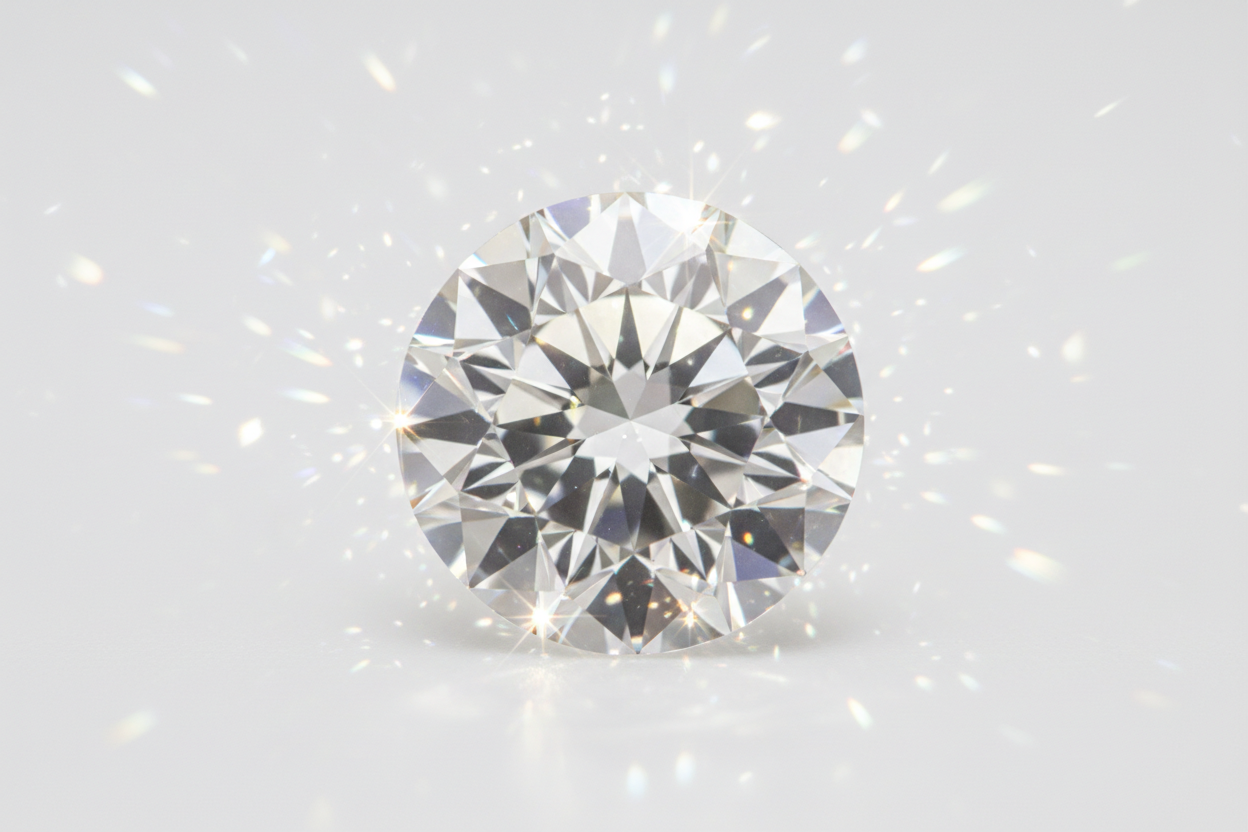
What is Moissanite? Where is Moissanite Stone Used?
Moissanite is a stone that has gained popularity in recent years and is considered an alternative to diamonds. This unique stone can be found both naturally and produced in laboratories.
One of the biggest advantages of moissanite is its more affordable price range compared to diamonds. Natural moissanite typically forms when meteorites fall to Earth and is quite rare. For this reason, most moissanite found on the market is produced in laboratories using advanced technology.
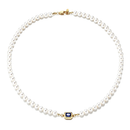
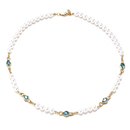
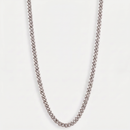
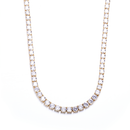
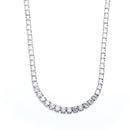
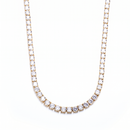
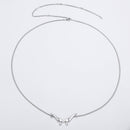
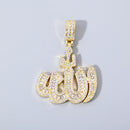
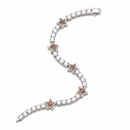
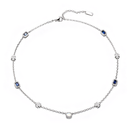
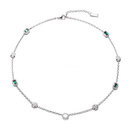
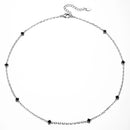
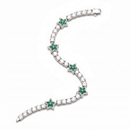
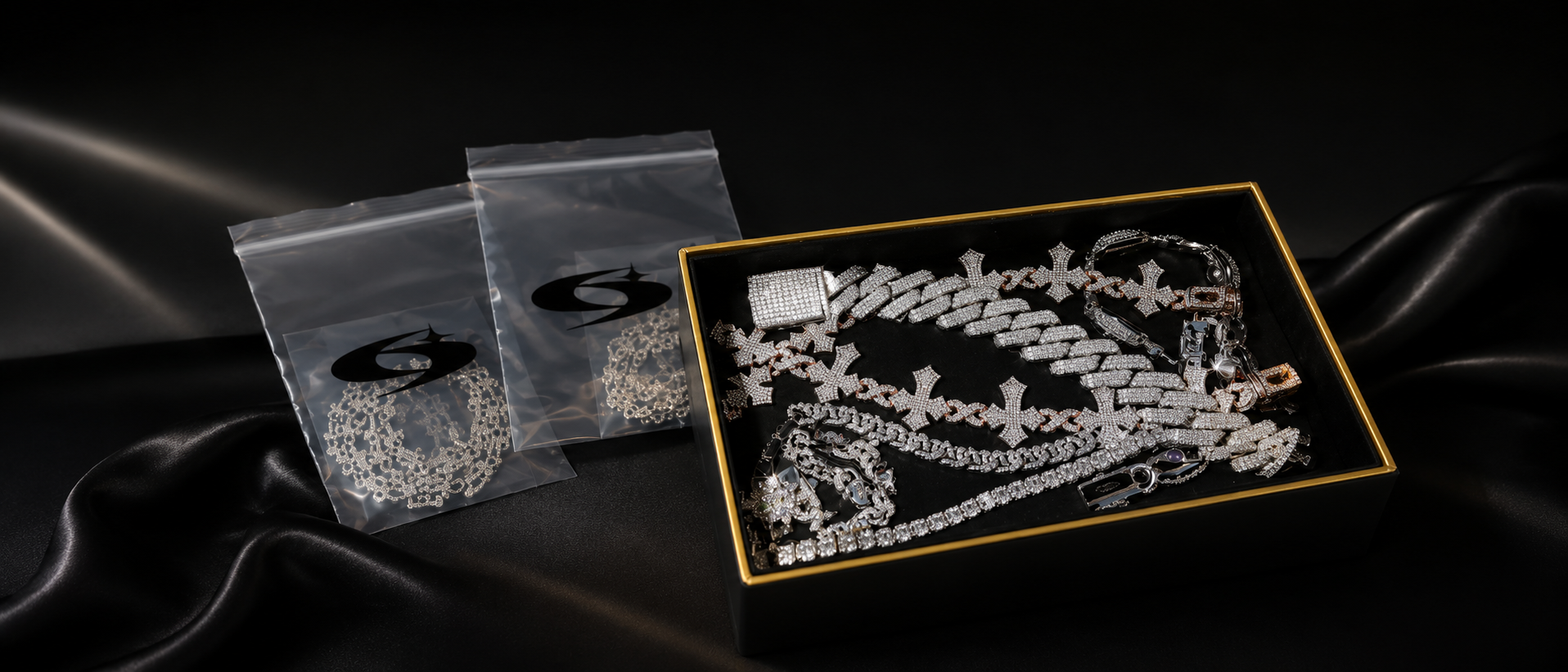
During this production process, moissanite attracts attention with its brilliance and hardness, resembling a diamond. Being a sustainable and ethical option has made moissanite particularly popular in the jewelry industry. This stone is used in many different types of jewelry, from rings to necklaces and earrings, offering the elegance of a diamond at a more accessible price.
What is Moissanite?
Moissanite is a naturally rare mineral. The structure of this unique and valuable stone consists of crystallized silicon carbide. It was first discovered in the 19th century by scientist Henri Moissan in a meteorite crater. Moissan initially thought these brilliant and hard crystals were diamonds, but subsequent analyses revealed them to be silicon carbide.
This naturally rare mineral stands out with its dazzling brilliance and diamond-like hardness. However, since natural moissanites are very rare, most moissanite stones found on the market today are carefully and meticulously produced in high-tech laboratory environments. This production process maximizes the physical and optical properties of moissanite while offering a solution to the rarity of natural stones. Lab-grown moissanites offer all the beauty of natural stones, while standing out as an eco-friendly and cost-effective alternative.
What are the Characteristics of Moissanite?
Among the most striking characteristics of moissanite are its brilliance and hardness. Moissanite has a value of 9.25-9.5 on the Mohs scale of hardness, which makes it one of the hardest stones after diamonds.
This high hardness makes moissanite highly resistant to scratches and wear. Another important feature of moissanite is its unique way of reflecting light. This stone has more light refraction and more intense light dispersion than a diamond. This provides a dazzling brilliance and play of color.
Moissanite can be found in various color tones; these colors are generally warm tones and sometimes may contain slight green, yellow, or grey undertones. With these characteristics, moissanite rings, necklaces, and other types of jewelry are frequently preferred by jewelry enthusiasts for both their aesthetic appeal and durability. Furthermore, moissanite's high-quality appearance, similar to a diamond, and its more affordable price make it an excellent alternative.
How to Distinguish Moissanite from Diamond?
Although moissanite and diamond look very similar, they contain significant differences. The most prominent difference is that moissanite has a greater light-reflecting capacity than a diamond. Moissanite exhibits higher light refraction and light dispersion than a diamond, which gives it a brighter and more colorful appearance. Under light, it displays more multicolored light scattering (fire), making the rainbow colors more prominent.
How Did Moissanite Come About?
Natural moissanite is a rare mineral that actually reached Earth with meteorites composed of star dust. These stones are quite difficult to find naturally and are usually found in small quantities within meteorites from space. However, due to the rarity and difficulty of obtaining these natural stones, in the late 20th century, scientists succeeded in recreating the properties of this unique stone in a laboratory environment. Lab-grown moissanite is created by carefully combining silicon and carbon under high pressure and temperature. Moissanite produced by this method has become more accessible and popular because it is an exact replica of natural stones.
Why Are Moissanite Rings Preferred?
Moissanite rings are both more affordable and an eco-friendly option compared to diamond rings. The production of these stones has less environmental impact than diamond mining, which makes them attractive to environmentally conscious consumers. The high brilliance and hardness of moissanite make them an ideal gemstone. Furthermore, the aesthetic and durability offered by these stones make them a highly preferred choice, especially for engagement and wedding rings. These rings offer luxury and elegance at a more accessible option, holding an important place in the modern jewelry market.
Is Moissanite Scratch-Resistant?
Although not as hard as a diamond, moissanite is a very hard stone, which makes it resistant to scratches and wear in daily use. With a value between 9.25 and 9.5 on the Mohs scale of hardness, moissanite shows resistance to most physical impacts that may be encountered in daily use. This durability makes moissanite an ideal choice for rings, necklaces, and other jewelry. Additionally, moissanite's ability to maintain its long-lasting brilliance and aesthetic appearance makes it a valuable investment.